Essential Tips for Keeping Your Dog Safe During a Heatwave

When temperatures soar, dogs face serious risks from the heat. Unlike humans, dogs cannot sweat to cool down efficiently, making them vulnerable to heat exhaustion and heatstroke. Protecting your dog during a heatwave requires careful attention and proactive care. This guide offers practical tips to help your furry friend stay safe, comfortable, and healthy when the weather turns hot.
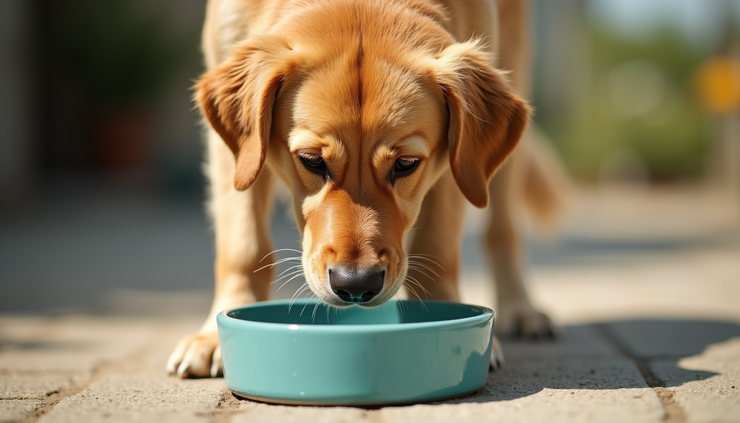
Recognize the Signs of Heat Stress in Dogs
Dogs can overheat quickly, especially in high temperatures. Knowing the signs of heat stress helps you act fast before it becomes dangerous.
Excessive panting: Dogs pant to cool down, but heavy, rapid panting signals distress.
Drooling more than usual: Excess saliva can indicate overheating.
Red or pale gums: Check your dog’s gums; abnormal color can mean poor circulation.
Weakness or lethargy: If your dog seems unusually tired or uncoordinated, it may be overheating.
Vomiting or diarrhea: These symptoms can accompany heatstroke.
Collapse or seizures: These are emergency signs requiring immediate veterinary care.
If you notice any of these symptoms, move your dog to a cooler place, offer water, and contact a vet immediately.
Provide Plenty of Fresh Water
Hydration is critical during a heatwave. Dogs lose water quickly through panting, so they need constant access to fresh, cool water.
Place multiple water bowls around your home and garden.
Change the water frequently to keep it cool and clean.
Consider adding ice cubes to the water bowl for extra refreshment.
If you are out walking, bring a portable water bottle and bowl.
Encourage your dog to drink regularly, especially after exercise or play.
Adjust Exercise and Outdoor Time
Heatwaves require changes to your dog’s routine to avoid overheating.
Walk your dog early in the morning or late in the evening when temperatures are lower.
Avoid strenuous exercise during the hottest parts of the day.
Choose shaded routes for walks to reduce sun exposure.
Limit playtime outdoors and watch for signs of tiredness or overheating.
Remember that hot pavement can burn your dog’s paw pads. Test the ground with your hand before walking your dog on it.
Create a Cool Environment at Home
Keeping your dog cool indoors is just as important as outdoor care.
Use fans or air conditioning to maintain a comfortable temperature.
Provide a cool, shaded spot where your dog can rest.
Use cooling mats or damp towels for your dog to lie on.
Keep curtains or blinds closed during peak sunlight hours to reduce indoor heat.
Never Leave Your Dog in a Parked Car
Cars heat up rapidly, even with windows cracked open. Leaving a dog in a parked car can be fatal within minutes.
Never leave your dog unattended in a vehicle during warm weather.
If you see a dog left in a hot car, call local authorities or animal control immediately.
This is one of the most critical steps to prevent heat-related emergencies.
Use Protective Gear and Grooming Tips
Certain gear and grooming practices can help your dog stay cooler.
Use cooling vests or bandanas designed for dogs.
Avoid shaving your dog’s coat too short; a natural coat protects against sunburn and overheating.
Regular grooming removes excess fur and helps air circulate near the skin.
Apply pet-safe sunscreen to exposed areas like the nose and ears if your dog spends time outdoors.
Consult your vet about the best grooming routine for your dog’s breed and coat type.
Watch Your Dog’s Diet During Hot Weather
Heat can affect your dog’s appetite and digestion.
Offer smaller, more frequent meals instead of large portions.
Avoid feeding heavy or rich foods that can cause discomfort.
Provide hydrating treats like ice cubes made from low-sodium broth or frozen fruit safe for dogs.
Ensure your dog has access to water before and after meals.
Adjusting diet helps maintain energy without adding heat stress.
Know When to Seek Veterinary Help
Heatstroke can develop quickly and requires urgent care.
If your dog shows severe symptoms like collapse, seizures, or unresponsiveness, seek emergency veterinary care immediately.
Early treatment improves chances of recovery.
Your vet may provide fluids, cooling treatments, and medications to support your dog.
Keep your vet’s contact information handy during heatwaves.
Additional Tips for Specific Dog Types
Some dogs need extra care during hot weather.
Brachycephalic breeds (like Bulldogs and Pugs) have shorter noses and struggle to breathe in heat.
Senior dogs and those with health issues may have reduced heat tolerance.
Puppies are more sensitive to temperature extremes.
Adjust care routines accordingly, such as limiting outdoor time and increasing monitoring.


Comments